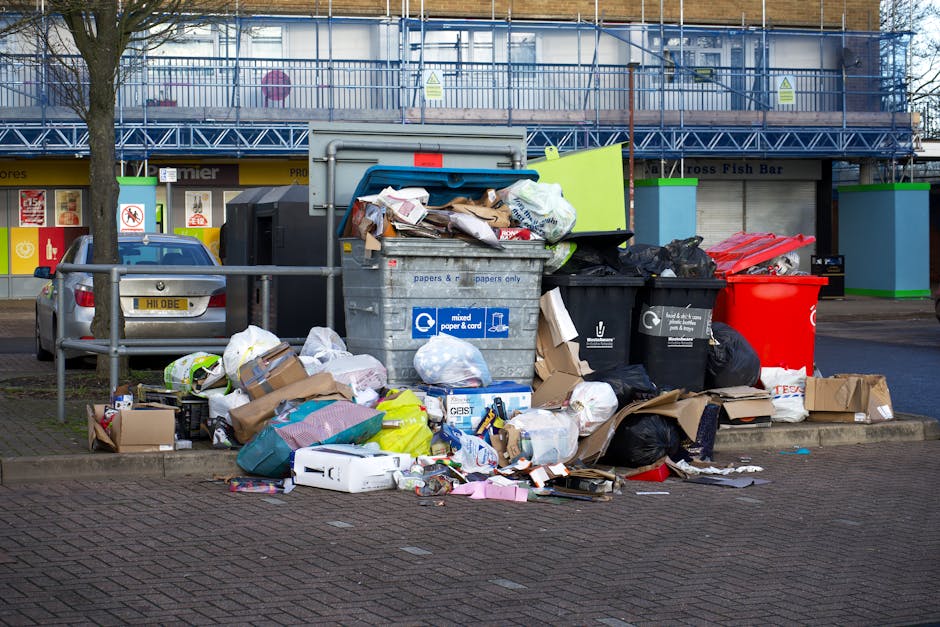
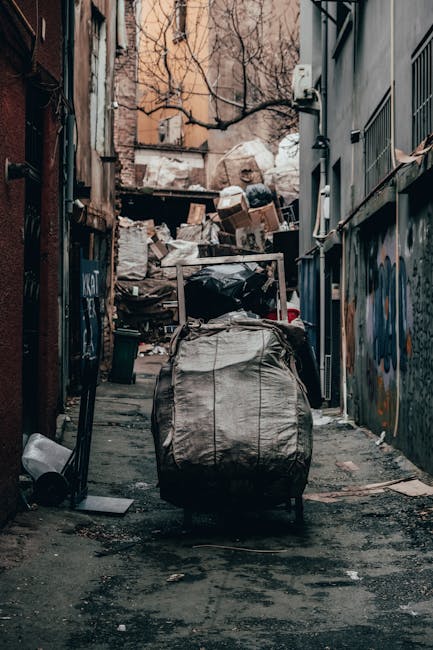
Best rubbish clearance for Praed Street flats in Paddington
If you live in a Praed Street flat, you already know the awkward bits: narrow stairwells, tight entrance halls, limited lift space, and somewhere between "I'll deal with that later" and "why is this still here?" rubbish starts to pile up. Finding the best rubbish clearance for Praed Street flats in Paddington is not just about hauling things away. It is about making the job simple, safe, and low-stress in a busy part of London where access can be, let's face it, a bit of a puzzle.
This guide walks through how flat clearance works, what makes a good provider, what to avoid, and how to plan a smooth collection without turning your hallway into a temporary storage unit. You will also find practical steps, a comparison table, and a checklist you can use before booking. If you want the short version: choose a team that understands flat access, handles disposal properly, and keeps the whole thing tidy from start to finish.
Practical summary: for Praed Street flats, the best rubbish clearance service is usually one that offers flexible booking, careful handling in shared buildings, clear pricing, and responsible recycling. Speed matters, but so does not annoying your neighbours. Simple, really.
Table of Contents
- Why Best rubbish clearance for Praed Street flats in Paddington Matters
- How Best rubbish clearance for Praed Street flats in Paddington Works
- Key Benefits and Practical Advantages
- Who This Is For and When It Makes Sense
- Step-by-Step Guidance
- Expert Tips for Better Results
- Common Mistakes to Avoid
- Tools, Resources and Recommendations
- Law, Compliance, Standards, or Best Practice
- Options, Methods, or Comparison Table
- Case Study or Real-World Example
- Practical Checklist
- Conclusion
- Frequently Asked Questions
Why Best rubbish clearance for Praed Street flats in Paddington Matters
Praed Street sits in a busy part of central London, and that matters more than people think. Flats here often share entrances, corridors, lifts, and bin stores. That means rubbish clearance is not simply a matter of "put it outside and see what happens." You need a service that can work around building rules, traffic, neighbours, and the realities of limited space.
In a flat, waste can build up fast. Old furniture, packaging, broken small appliances, mattress replacements, end-of-tenancy clutter, renovation offcuts, and general household rubbish all tend to accumulate in a way that feels harmless until one Saturday morning you are stepping over it. Then it is suddenly urgent.
The best rubbish clearance for Praed Street flats in Paddington is the one that reduces friction. That means:
- careful lifting through tight access points
- collection windows that fit around resident access and building management
- transparent handling of mixed waste
- responsible disposal rather than "we'll take it away and hope for the best"
- minimal disruption in shared spaces
There is also a real safety angle. Heavy bags, awkward furniture, and broken items can cause damage to walls, flooring, and lifts. If you have ever tried turning a wardrobe in a narrow stairwell, you will know exactly what I mean. It only takes one scrape to create a problem with a landlord, managing agent, or neighbour. Best to avoid that.
Good rubbish clearance is also a time saver. Instead of hiring a van, doing multiple trips, or trying to figure out what goes where, a professional team can clear the lot in one go. For busy renters, leaseholders, and landlords, that convenience is often the deciding factor.
How Best rubbish clearance for Praed Street flats in Paddington Works
Most flat rubbish clearance jobs follow a simple pattern, but the details matter. A proper service starts by understanding what needs removing, how much there is, and what access looks like. A one-bed flat with a few bulky items is a very different job from a top-floor apartment with furniture, bags, and building restrictions.
1. You describe the waste
You explain what needs to go. That might include general rubbish, furniture, white goods, mattresses, builders' waste, or mixed household clutter. Photos are often useful, especially if the items are awkward or if access looks tight.
2. The collection is planned
The team works out the right crew size, vehicle, and timing. For Praed Street, that can matter a lot. Busy streets and shared entrances mean a clear plan beats improvisation every time.
3. Items are removed carefully
The crew takes the waste out with as little disruption as possible. In a flat, this usually means protecting corners, moving cautiously through communal areas, and keeping noise down where practical. Nobody wants a corridor full of bins, bags, and apologetic foot traffic.
4. Waste is sorted and taken for proper disposal
Good clearance teams separate reusable, recyclable, and general waste where possible. If you want to dig deeper into responsible disposal and what different materials typically need, it is worth looking at recycling and sustainability practices and the company's wider waste removal approach.
5. The area is left tidy
The job is not really finished until the space is left clean enough to use again. That sounds obvious, but in practice it is where a lot of average services fall short. A good team clears the items and deals with the little leftovers too, like loose packaging or bits of broken material.
Some jobs need extra care. A fridge in a narrow kitchen, a sofa that just will not budge, or a stack of bags from a recent clear-out can slow things down. An experienced team will usually spot these issues before they become drama. That is the difference, really.
Key Benefits and Practical Advantages
The strongest benefits are practical, not flashy. If you live in a flat on or near Praed Street, the right clearance service gives you back space, time, and peace of mind.
- Less hassle: no repeated trips to disposal points or waste facilities
- Safer moving: trained handling helps reduce the risk of damage or injury
- Better for shared buildings: careful collection keeps communal areas clearer and calmer
- Faster turnaround: ideal when you are between tenancies or preparing for a move
- Improved organisation: easier to separate what stays, what sells, and what goes
- More responsible disposal: useful if you want items recycled or processed properly
For landlords and agents, the value is even clearer. End-of-tenancy rubbish clearance helps get a property back to a lettable state without delay. For homeowners, it can make a remodel or declutter feel manageable instead of endless. For tenants, it can save a lot of awkward last-minute stress before checkout. Truth be told, that last day always arrives quicker than expected.
Another advantage is flexibility. A good flat clearance service can often handle a small load just as easily as a bigger one. That matters for city flats, where waste rarely arrives in tidy, predictable bundles.
If you are comparing options, you may also want to look at specialist services such as flat clearance, furniture clearance, or mattress and sofa disposal depending on what you need removed.
Who This Is For and When It Makes Sense
This kind of service suits a wide range of people, but the common thread is usually space pressure. If your flat feels cramped, your corridor is becoming a storage area, or bulky waste is simply too awkward to move alone, rubbish clearance makes sense.
It is especially useful for:
- tenants preparing to move out
- landlords clearing after a tenancy change
- homeowners doing a seasonal or pre-sale declutter
- people replacing furniture, mattresses, or appliances
- flat-sharers who have built up more stuff than anyone wants to admit
- owners dealing with post-renovation mess or packaging
It also makes sense when you have items that are too bulky for normal bin collections, too heavy for a solo lift, or too awkward to move through a shared building without causing a scene. Some people try to "wait for the right weekend" and then six weekends pass. Happens all the time.
If your job involves general household items rather than just a single sofa or appliance, broader options like home clearance or house clearance may be relevant too, especially where mixed items have built up over time.
Step-by-Step Guidance
Here is the cleanest way to organise rubbish clearance from a flat on or near Praed Street. Keep it simple and you will usually avoid the headaches.
- Walk through the flat first. Decide what is going, what is staying, and what may need special handling.
- Separate anything sensitive. Personal paperwork, electronics, and valuables should be removed before the crew arrives.
- Check building access. Think about stairs, lifts, entry codes, concierge arrangements, and parking restrictions.
- Group items sensibly. Put small bags together and bulky items in one place if it can be done without blocking access.
- Ask about item types. Some objects need more care, especially appliances, mattresses, or hazardous materials.
- Confirm the disposal route. Responsible teams should be able to explain how the waste is handled.
- Book the right time slot. In a busy area, an early or mid-morning collection can be easier than trying to squeeze everything into late afternoon traffic.
- Do a final sweep. Check cupboards, behind doors, and under beds. It is amazing what turns up at the last second.
A small but useful tip: if you live in a building with neighbours close by, tell them a clearance is happening. A quick note in the lift or a polite heads-up can prevent awkwardness. No need to overdo it; just enough so people are not startled by a trolley rolling past the front door.
Expert Tips for Better Results
After enough clearances, patterns become obvious. The smooth jobs are rarely the ones where the most effort is spent on lifting. They are the ones where planning happened before anyone arrived.
Keep access clear
Move shoes, prams, shopping bags, and anything else that might snag in a doorway. Even a small obstacle can slow a job down when carrying large items through a narrow hall.
Tell the team about difficult items
If there is a sofa with a loose frame, a fridge in an awkward alcove, or a chest of drawers that needs dismantling, say so early. Better to prepare than improvise in a corridor.
Use the service for grouped jobs
If you need to remove more than one category of waste, combine it into one visit where possible. For example, if you are clearing an old bedroom, it may be smarter to include furniture, a mattress, and some general rubbish in the same booking rather than splitting everything up.
Think about the end goal
Are you clearing to sell, to rent, to redecorate, or simply to breathe again? The answer changes how thorough you need to be. A pre-sale clear-out is different from a quick rubbish pick-up before a landlord inspection.
Choose responsible disposal, not just removal
This is where some services separate themselves from the rest. If you care about waste handling, ask whether the provider follows recycling-focused practices and whether they can advise on fridge and appliance removal, furniture disposal, or more specific items.
And yes, a bit of calm on the day helps too. Put the kettle on, keep the path clear, and do not worry if the place looks messy before the crew arrives. That is the whole point of the visit.
Common Mistakes to Avoid
A lot of rubbish clearance problems are avoidable. The issue is usually not the rubbish itself, but the way it was prepared.
- Leaving everything until the last minute: rushing leads to missed items and poor decisions.
- Not checking access: a job can go sideways quickly if the team cannot get a lift, key, or parking space.
- Mixing everything together without thought: some items need separate handling or extra care.
- Underestimating the volume: what looks like "a few bags" often becomes a van-load.
- Forgetting shared-area etiquette: in flats, neighbours notice noise, timing, and mess.
- Choosing on price alone: cheap can become expensive if the service is slow, careless, or incomplete.
One of the most common issues in Paddington flats is assuming a quick pick-up will be easy because the flat is small. In reality, access can be the hardest part. A small flat on a tight staircase can be more demanding than a larger house with easier entry. Funny how that works.
Another trap is forgetting about items stored in cupboards, balconies, or utility nooks. You start with the obvious clutter and then discover three bags of old packaging, an unused fan, and a stack of things you meant to donate. Happens every time. More or less.
Tools, Resources and Recommendations
You do not need much equipment for a clearance, but a few practical tools make the process smoother.
- Heavy-duty bags or boxes: useful for separating loose rubbish and small items
- Labels or notes: helps keep "keep," "donate," and "clear" items apart
- Basic gloves: useful if you are sorting through dusty storage areas
- Measuring tape: handy for checking whether bulky items may fit through hallways or lifts
- Phone camera: helpful for sending item photos before booking
For more service-specific planning, these pages can help you think through the right approach: pricing and quotes if you want to understand how jobs are assessed, book online if you are ready to arrange a collection, and insurance and safety if you want reassurance on how jobs are handled responsibly.
If your clearance involves more than household rubbish, you may also need related services such as builders waste clearance, loft clearance, or garage clearance. The right option depends on what has piled up and where it is stored.
Law, Compliance, Standards, or Best Practice
Rubbish clearance in London should be handled carefully, especially when waste comes from a residential property and may include bulky, mixed, or potentially sensitive items. While the exact rules vary by item type and disposal route, the safest approach is to use a provider that follows accepted UK waste-handling practice and can explain how items are processed.
That means looking for clear answers on:
- how waste is sorted
- whether recyclable material is separated where possible
- how electrical items, mattresses, and appliances are handled
- what happens to hazardous or restricted items
- how the team protects shared property during removal
If you have anything that might be classed as hazardous, it should not be mixed into general rubbish by guesswork. Items like chemicals, certain paints, or unusual materials may need specialist attention. In those cases, use the relevant service information first, such as hazardous waste disposal. It is simply the safer choice.
Best practice also includes being honest about access and item contents. If you say there are two bags and actually there are ten, the booking may need adjusting. That is not a moral lecture; it is just how to avoid surprises on the day.
For many flat residents, the practical standards that matter most are straightforward: treat the building respectfully, avoid damage, dispose of items responsibly, and keep the process transparent. That is the bar. Nothing fancy, just solid work.
Options, Methods, or Comparison Table
There are a few ways to deal with rubbish in a flat, and the best choice depends on volume, access, time, and the kind of items involved.
| Method | Best for | Pros | Limitations |
|---|---|---|---|
| Professional rubbish clearance | Mixed waste, bulky items, busy households | Fast, convenient, suited to flats with awkward access | Usually costs more than doing it yourself |
| Self-haul to disposal point | Small amounts and flexible schedules | Can be cheaper if you already have transport | Time-consuming, physically demanding, multiple trips |
| Skip hire | Large, ongoing projects with enough outdoor space | Useful for renovation waste and larger volumes | Less practical for many flats; placement and permit issues may apply |
| Specialist item removal | Sofas, mattresses, fridges, appliances | Focused handling for one item or item type | Not ideal if you also have mixed general rubbish |
For most Praed Street flats, professional clearance is the easiest option because access tends to be the real constraint. If the job is a single mattress, a specialist removal can be enough. If it is a full flat refresh, a broader service is usually smarter. If you are unsure, start with the category that matches the biggest item or the messiest part of the job.
You can also check what can go in a skip if you are weighing up skip hire versus on-site collection. It is a useful comparison point, even if a skip is not realistic for your building.
Case Study or Real-World Example
Imagine a one-bedroom flat just off Praed Street. The tenant is moving out, the sofa will not fit in the new place, the old mattress has seen better days, and there are six bags of mixed rubbish from a rushed clear-out. On top of that, the hallway is narrow and the lift is shared with other residents.
The sensible route is not to drag everything out in stages and hope for the best. It is to book a clearance that can take multiple item types in one visit. The tenant separates personal items, the crew arrives with a plan, and the bulky items are removed carefully without damaging walls or leaving the entrance cluttered.
What does success look like here? The flat is emptied quickly, the building stays orderly, and the tenant can focus on handover rather than moving the same box three times. Nothing dramatic. Just the sort of smooth, unremarkable job everyone likes in retrospect.
We have seen that the jobs people remember most are the ones that felt almost boring because everything was done properly. That is usually the goal in rubbish clearance. Boring is good.
Practical Checklist
Use this checklist before your Praed Street flat clearance:
- Identify all items to be removed
- Separate valuables, documents, and anything you want to keep
- Take photos of bulky or unusual items
- Check lift access, stair access, and building rules
- Make sure the path from flat to exit is clear
- Group similar waste types together where sensible
- Note any hazardous or restricted items
- Confirm whether appliances need special removal
- Choose a time that works for neighbours and building access
- Ask about recycling and disposal methods
- Keep your booking details and contact information handy
- Do a final sweep of cupboards, balconies, and storage nooks
And one more thing: if you have the option to clear a little more than you think you need, do it. Most people regret leaving "maybe" items behind. Not all of them, but enough.
Conclusion
The best rubbish clearance for Praed Street flats in Paddington is the service that makes flat life easier, not harder. That means careful handling, sensible planning, proper disposal, and a process that respects both your time and the building you live in. In a place where access can be tight and schedules can be tight too, the difference between a good service and a mediocre one is obvious pretty quickly.
If you are clearing after a move, replacing furniture, dealing with a messy tenancy, or just reclaiming some breathing room, start with a clear list, check access, and choose a service that understands flat clearance properly. It is one of those jobs that looks small from a distance and feels huge when you are standing in the middle of it. The right help makes it lighter.
Get a free quote today and see how much you can save.
When the clutter is gone and the flat feels calm again, even the view down a Paddington street seems a bit brighter.
Frequently Asked Questions
What is the best rubbish clearance option for Praed Street flats in Paddington?
For most flats, the best option is a professional clearance service that can handle awkward access, mixed waste, and bulky items in one visit. It is usually the easiest and least disruptive choice.
Can rubbish clearance be done in a flat with narrow stairs or no lift?
Yes, but the provider needs to know in advance. Narrow stairs and no lift are common in older London buildings, so careful planning matters more than usual.
How do I prepare my flat before a rubbish clearance?
Separate what is staying, remove valuables and documents, check access routes, and group items if you can. A quick photo set can also help the team plan properly.
Will the clearance team take furniture and mattresses too?
Often yes, provided you specify those items when booking. Larger items may be handled through specialist furniture or mattress disposal services.
What happens to the rubbish after collection?
Responsible teams sort waste for reuse, recycling, or disposal where possible. The exact route depends on the material and the type of item removed.
Is rubbish clearance suitable for end-of-tenancy flat cleaning?
Absolutely. It is one of the most common reasons people book. Clearing bulky items and leftover rubbish before handover can save a lot of last-minute stress.
Can I mix general rubbish with appliances or furniture?
Sometimes, yes, but certain items like fridges or hazardous materials need special handling. It is always better to mention everything upfront so the right collection is arranged.
Do I need to be home during the clearance?
Usually yes, or at least someone needs to provide access and confirm the items. Some arrangements can be made differently, but that depends on the provider and building setup.
How much rubbish can be removed in one visit?
That depends on the size of the load, access, and the vehicle used. A few bags, a sofa, or a full flat clear-out can all be possible, but they are assessed differently.
Are there items that cannot go in general rubbish clearance?
Yes. Hazardous materials, some chemicals, and certain restricted items need separate handling. If in doubt, ask before booking rather than guessing on the day.
Is skip hire better than rubbish clearance for a flat?
Not always. Skips are useful for larger projects, but for many flats the access, space, and permit issues make clearance by collection more practical.
How far in advance should I book rubbish clearance?
As soon as you know the date, especially if you are working around a move or tenancy deadline. Busy city areas can fill up quickly, and leaving it late never feels good.