Commercial Waste Removal in Paddington
![A large white industrial rubble bag filled with a substantial pile of broken bricks, tiles, and concrete fragments, situated outdoors on a paved surface with a red brick wall in the background. The rubble appears rough and uneven, with varying shades of gray, tan, and reddish-brown of the debris, some with jagged edges and coarse textures. The bag shows some creases and minor tears and is positioned on a driveway or pavement, suggesting it is ready for collection or disposal. This scene exemplifies typical materials handled by commercial rubbish removal services in Paddington, with a focus on heavy construction debris. The environment is well-lit with natural daylight, emphasizing the textures and colours of the waste materials, aligning with the services offered by [COMPANY_NAME] for managing bulky waste in the local area.](/pub/_photos/rubbish/f1341718528.jpg)
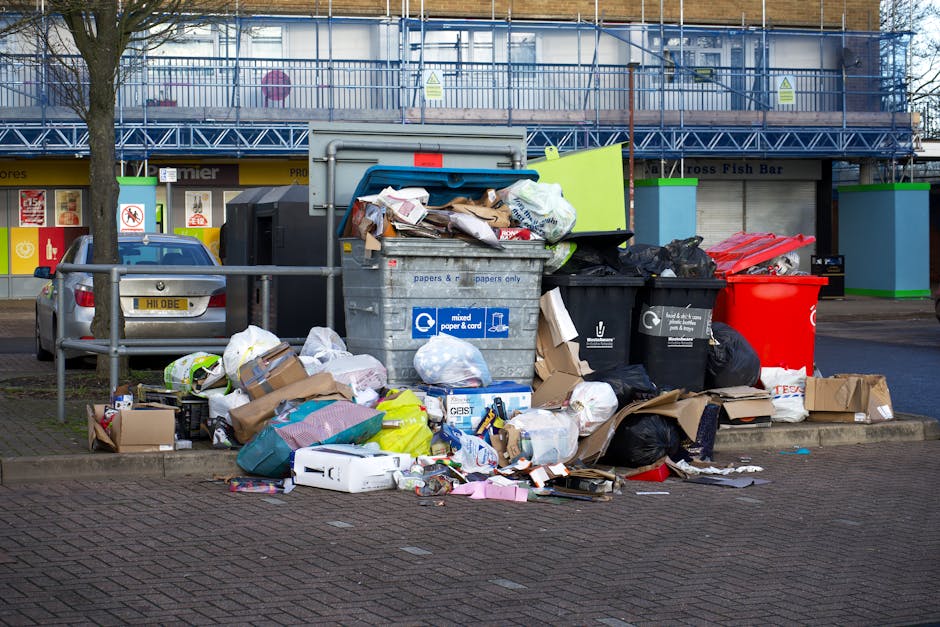
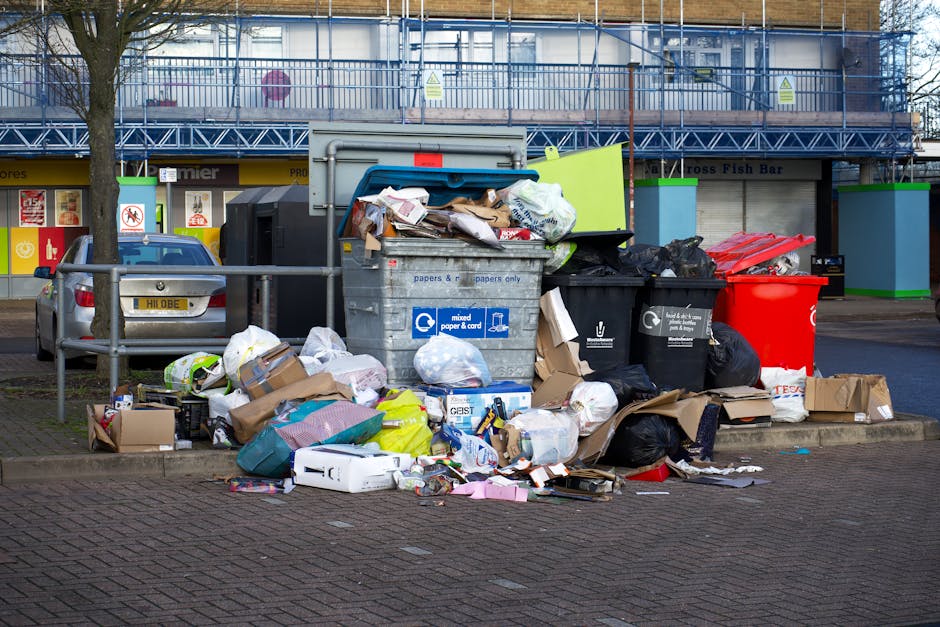
Commercial waste removal in Paddington needs to be practical, flexible and suitable for premises that generate different kinds of business rubbish through the week. We collect and clear away commercial waste from offices, shops, hospitality venues, studios and shared workspaces, with a focus on keeping the process straightforward for managers and responsible for the environment. The service is designed for routine clearances, one-off accumulations and mixed non-hazardous items that need moving out without disrupting the working day.
Our approach covers the removal of general office waste, packaging, redundant fixtures, broken furniture and other unwanted materials that are commonly produced by day-to-day trading. Where items need separating, we can work through them methodically so that reusable materials, recyclable items and residual waste are dealt with in an orderly way. If you are comparing options and want to make room quickly without overcomplicating the job, this is a practical place to start.
For businesses that need a clear next step, the simplest way to proceed is to gather the main items, decide what should stay and what should go, and then request a quotation. If you already know the type and volume of waste, that usually helps us match the collection to the right level of support. You can also plan ahead for access, loading and building rules before the removal takes place.
Business waste collections for day-to-day operations
Commercial premises often need collections that fit around opening hours, staff movements and deliveries. Our business waste removal service is suited to recurring clear-outs as well as isolated jobs where surplus material has built up in a store room, back office or reception area. Rather than turning the task into a major disruption, the aim is to remove what is no longer needed in a controlled and practical way.
Typical commercial waste may include paperwork, card packaging, display materials, shelving, broken seating, damaged stock containers and general bulky items that cannot simply be placed in ordinary bins. Where required, we can work through a mixed load and separate items that need different handling. That often suits organisations that want a tidy reset after refurbishments, stock changes or office rearrangements.
In many cases the most helpful preparation is simple:
- group the items you want removed in one accessible place where possible
- identify anything that must stay because of records, stock or shared use
- note whether there are stairs, lifts, loading restrictions or limited vehicle access
- mention any unusually heavy, awkward or fragile items before the collection
Office clearances and workplace item removal
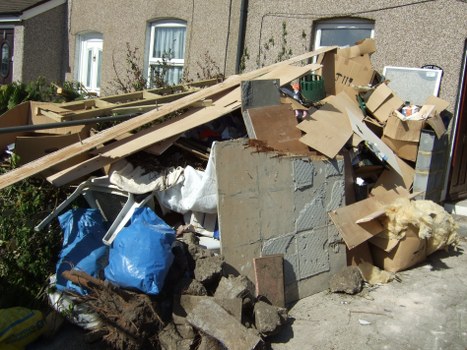
Office waste removal is more than simply taking away unwanted desks and chairs. Workplaces can produce a mixture of paper records, old equipment, archive boxes, broken storage units, reception furniture and loose items gathered from several departments. We handle office clearances with an eye on practicality, so the process supports organisations that are reducing clutter, updating furniture or closing down a floor.
Where offices have been reconfigured, there may be items that still have some use internally and others that are no longer suitable for staff areas. A careful clearance can help separate these categories before anything is loaded. It is often useful when moving between desks, freeing storage rooms or emptying out areas that have accumulated surplus equipment over time. The service can be scaled to suit a single room or a larger workplace.
For items such as printers, filing cabinets, meeting tables and chairs, the key consideration is usually how they are to be moved safely from the point where they are stored. Good access and clear instructions help reduce delays. If the waste includes confidential papers or material that should not be left exposed, this should be mentioned at the quotation stage so the collection can be planned appropriately.
Furniture and bulky item disposal
Commercial sites often need bulky waste removed as part of a move, refit or change in layout. Furniture disposal covers items such as desks, chairs, cabinets, shelving, counters and mixed office furnishings that are no longer required. Our furniture clearance work is intended for businesses that want items removed in a practical way rather than left to accumulate in storage or corridors.
Bulky items can be awkward because of size, weight or access rather than because they are difficult to identify. A smart approach is to consider what needs dismantling, what can be carried intact and what may require extra space while being moved. Large items are often easiest to handle when they are grouped in advance, and when the route from storage to exit is clear of unnecessary obstructions. That makes the removal more orderly and reduces confusion on the day.
If your clearance includes mixed furniture from several rooms, it can help to point out the different types of item and the condition they are in. That allows the collection to be planned more accurately, especially where some pieces are reusable and others are only fit for disposal. A clear list of items is often better than a vague estimate, particularly for offices and retail units with multiple storage areas.
Waste from refurbishments, fit-outs and property changes
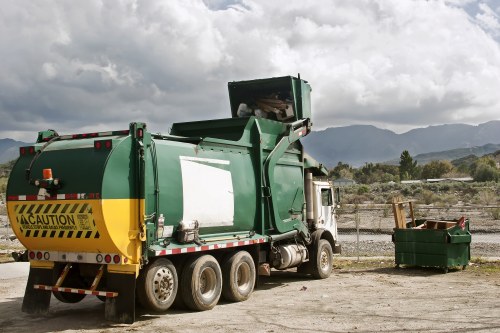
Businesses in Paddington may produce waste through refits, relocations and small refurbishments, including packaging, offcuts, redundant fixtures and dismantled fittings. Commercial waste removal for these projects needs to handle a range of materials without making the site harder to work on. Our service is suitable where a project creates items that are too bulky for normal disposal but not necessarily part of a full construction clearance.
Fit-outs often generate mixed loads rather than one neat pile of identical waste. There may be card, plastic wrap, damaged boards, old shelving, fixtures, carpet underlay, office partitions or packaging from new equipment. Dealing with these items sensibly is useful because the site can continue to function while the clearance is being carried out. In that sense, the service supports both the practical finish of the project and the general presentation of the premises.
Where work has been phased across several rooms or days, it is often sensible to remove waste in stages instead of waiting until everything is stacked together. That can improve access and make the premises easier to keep safe and usable. For a quotation, it helps to mention whether the removal concerns a single area or multiple parts of the building, and whether any items need special handling because of size or weight.
How we handle loading, sorting and responsible disposal
Commercial waste should be treated with more care than an ordinary tidy-up. The removal process needs to consider what can be lifted easily, what should be separated before loading and what must not be mixed with unrelated waste streams. Our service is built around sensible handling from collection to disposal, so the job is completed with attention to the type of material involved rather than simply moving everything at speed.
We can deal with clearances that involve general office waste, furniture, packaging and other non-hazardous business items, but certain categories need separate assessment. Waste that is hazardous, highly specialised or restricted by regulation should be identified in advance. If you are unsure whether something belongs with the main load, mention it early so the job can be planned correctly rather than assumed. That keeps the clearance more orderly and reduces the chance of avoidable complications.
Customers often ask what makes a quotation more accurate. The most useful factors are usually the type of waste, the amount to be removed, how easy it is to reach, and whether the collection needs to be split across rooms or floors. Photos can help, but they are not the only way to describe a job. A written list with approximate quantities and a note of access conditions is also effective when you want a straightforward response.
Pricing factors and practical quotation details
Commercial waste removal pricing is usually shaped by the overall load, the mixture of materials and the time needed to remove everything safely. A collection that consists of lightweight packaging and a few chairs will differ from one that includes cabinets, desks and several rooms of mixed items. Because the work can vary so much, a quotation is generally more reliable when the main facts are set out clearly at the outset.
It also helps to think about access and site conditions. Basement storage, upper floors, limited parking, narrow corridors and restricted loading bays can all affect how a collection is planned. If there are security procedures, reception sign-in steps or timing limits, those should be shared before the work is arranged. This is especially useful for offices and managed buildings where access to the premises is controlled.
If you would like to compare the process with related services, our business waste removal page explains the core commercial collection option in more detail, while the pricing and quotes page is useful when you want to understand how an estimate is prepared. For a simple next step, send the basic details and ask for a quotation.
Commercial premises, shared buildings and managed access

Paddington includes many commercial buildings where waste has to be removed with care around shared entrances, lifts, concierge points and loading arrangements. Offices, clinics, hospitality venues and managed workspaces may all need different access procedures, so the collection has to fit the building rather than disrupt it. We keep that in mind when arranging removals for shared or occupied premises.
In a managed building, the practical challenge is often not the waste itself but the route it must take to reach the vehicle. Clear lift use, stair access, parking arrangements and timing can all make a difference to how smoothly the job runs. If waste is already gathered in a dedicated storage point, that can simplify matters further. Where it is spread across several areas, we can plan accordingly and work through it in a logical order.
For businesses that prefer to prepare properly, a few simple notes are usually enough. Tell us what needs removing, which floor or rooms it is on, and whether there are any restrictions that might affect loading. Then you can request a quote with the relevant details to hand and avoid unnecessary back-and-forth before the collection is arranged.
About Paddington
Paddington is an area of west London best known for its transport links, canal-side spaces and a mix of older residential streets and large-scale redevelopment. The district takes its name from the ancient parish and later metropolitan borough, and today it is associated with a busy urban landscape that includes Paddington station, the Grand Union Canal and the network of streets around Praed Street, Sussex Gardens and the Paddington Basin area. The station opened in the 19th century and became closely linked with the expansion of rail travel into the capital, while the surrounding neighbourhood developed through a combination of Victorian building, later commercial use and more recent regeneration. The canal adds a quieter thread to the area’s character, with towpaths and waterside routes contrasting with the heavy traffic and transport movement nearby. Paddington Station itself is one of London’s major termini, and the adjacent basin has introduced modern architecture, office space and public realm improvements. Local landmarks such as the old church of St Mary on Paddington Green, the Wellcome Collection’s immediate wider setting, and the network of squares and crescents around Bayswater Road and Edgware Road reflect the layers of the district’s urban history. Green spaces including Paddington Street Gardens and nearby Hyde Park also contribute to the area’s mix of movement and pause. The result is a place shaped by arrival, circulation and adaptation, where historic fabric and contemporary development sit alongside one another in a relatively compact part of the city.
What to tell us before the collection
The easiest way to arrange a commercial waste collection is to describe the main items, the approximate quantity and the building access. A short note about whether the load includes furniture, packaging, office equipment or mixed waste can make the quotation more specific. If there are sensitive or awkward items, it is better to raise them early rather than leave them for the day of the collection. That helps keep the process straightforward for everyone involved.
It is also useful to mention whether the waste is stored in one room or spread across several floors, and whether there are any time restrictions because of trading hours or building management. Businesses often find that a clear description is more valuable than a long explanation. If you have any photographs or a basic inventory, they can support the enquiry, but a concise description is still enough to begin with.
For a related overview of other clearances, our waste removal page gives a broader view of the service family, and the office clearance page may suit workplace jobs with a stronger office focus. When you are ready, send the details and ask for a quotation.
Further options for different kinds of business waste
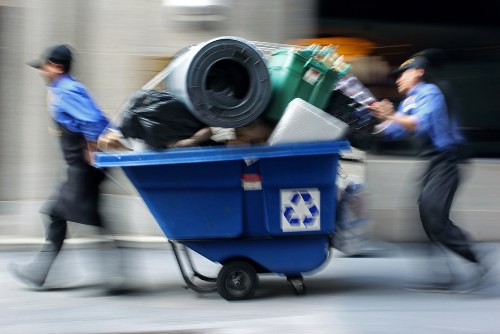
Not every commercial clearance is identical, so it can help to match the job to the right type of service page. Some customers need a general collection for mixed business waste, while others have a more specific load such as furniture, appliances or confidential materials. Looking at the available options can make it easier to choose a service that reflects the actual work rather than forcing the job into a vague category.
Where a site has several distinct waste streams, the collection may be planned around the main type first and the supporting items second. That makes the removal more orderly and helps avoid confusion about what should go and what should remain. The most relevant pages for these situations include fridge and appliance removal for certain bulky equipment, confidential shredding for sensitive paper disposal and recycling and sustainability for information on how materials are approached.
If you are ready to move forward, you can make a practical start by listing the items, checking access and deciding when the removal should take place. A clear enquiry is often enough to turn that into a usable quotation. Request a quote when you are ready, and we can help with the next stage.