Health and Safety Policy — Commercial Waste Removal Paddington
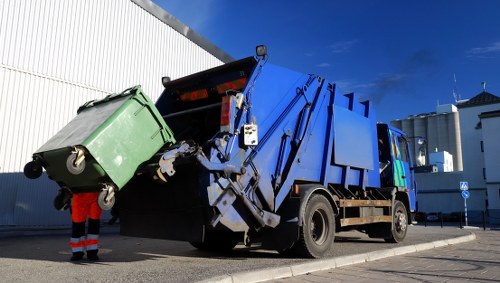
This Health and Safety policy sets out the obligations, systems and controls that govern commercial waste removal operations in the service area. It is written as a corporate legal-style statement of intent and procedure to ensure safe, consistent commercial rubbish removal and waste collection services while minimising risk to employees, contractors, clients and the public.
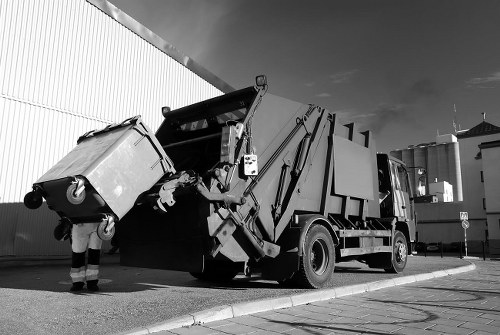
Scope: This policy applies to all staff, drivers, loaders, subcontractors and site representatives engaged in commercial refuse collection, disposal and associated activities. It covers handling, transport, interim storage, hazardous material segregation and recycling operations performed by the commercial waste collection team.
Purpose and Legal Framework
The purpose of this policy is to provide a clear framework for managing health and safety risks inherent to commercial rubbish removal services. It aligns with applicable statutory duties and industry standards for waste management, and implements safe working processes for routine and non-routine tasks. The policy ensures the business maintains a systematic approach to risk assessment, control measures and continuous improvement.
Policy statement: We are committed to preventing injury and ill health, protecting property and the environment, and operating a secure commercial waste removal service. All reasonable steps will be taken to ensure waste transport and site operations are conducted safely through planning, supervision and enforcement of safe systems of work.
Responsibilities: Responsibilities are allocated to provide clear accountability throughout the organisation.
Senior management must:
- Provide leadership and ensure adequate resources for a safe commercial waste operation;
- Appoint competent managers for waste collection duties and safety oversight;
- Ensure documented risk assessments and method statements for rubbish removal activities are current.
Operations managers will:
- Arrange training, supervision and licensing checks for drivers and operatives;
- Monitor vehicle maintenance programmes and loading practices;
- Ensure safe segregation and labelling of hazardous commercial waste streams.
Risk Assessment and Control Measures
Every commercial waste collection task must be subject to a risk assessment that identifies hazards such as manual handling, traffic interactions, falls from vehicles, contact with hazardous substances and sharps. Reasonable controls include engineering safeguards, administrative procedures and appropriate personal protective equipment (PPE).
Control measures include, but are not limited to:
- Safe loading techniques and mechanical aids for heavy or bulky commercial refuse;
- Segregation and secure containment of hazardous materials in accordance with waste regulations;
- Traffic management plans for collection points to protect operatives and the public;
- Routine vehicle checks and secure load practices to prevent spillages and road incidents.
PPE requirements include high-visibility clothing, cut-resistant gloves, steel-toe footwear and respiratory protection where risk assessments identify airborne hazards.
Training, Competence and Communication
All personnel involved in commercial waste removal must receive induction training and ongoing competence assessments. Training covers safe vehicle operation, waste segregation rules, manual handling techniques and emergency procedures. Records of training, licences and refresher programmes are maintained and reviewed periodically.
Effective communication of health and safety matters is mandatory. Site briefings, toolbox talks and written safety notices convey changes to procedures, incident learning and regulatory updates to all staff engaged in the rubbish removal service.
Contractors and temporary workers must be briefed on the commercial waste collection policy before work commences and must demonstrate required competencies.
Monitoring, incident reporting and corrective action form a critical part of the safety management system. Near-misses and accidents are reported, investigated and recorded. Lessons learned lead to amended risk controls and additional training where necessary. Regular safety audits and vehicle inspections verify compliance with operational standards.

Emergency Procedures: Emergency response plans address fire, spillages, accidental exposure to hazardous materials and transport incidents. Staff must be familiar with incident escalation, first-aid arrangements and containment measures. Spill kits, fire extinguishers and emergency contact protocols are available at operational depots and on vehicles.
Review and continual improvement are embedded: the policy is reviewed at least annually or following any significant operational change or incident. Performance indicators such as incident rates, audit outcomes and training completion rates guide management review and policy updates. This document constitutes the formal health and safety policy for commercial waste and rubbish services delivered in the area. Adherence to the policy is mandatory for all parties engaged in collection, transport and handling; non-compliance will trigger remedial actions and, where relevant, disciplinary procedures.